Tactile Tactics: Examining How Variable Resistance Triggers in Modern Gamepads Influence Precision Aiming in Cross-Platform Competitive Shooters
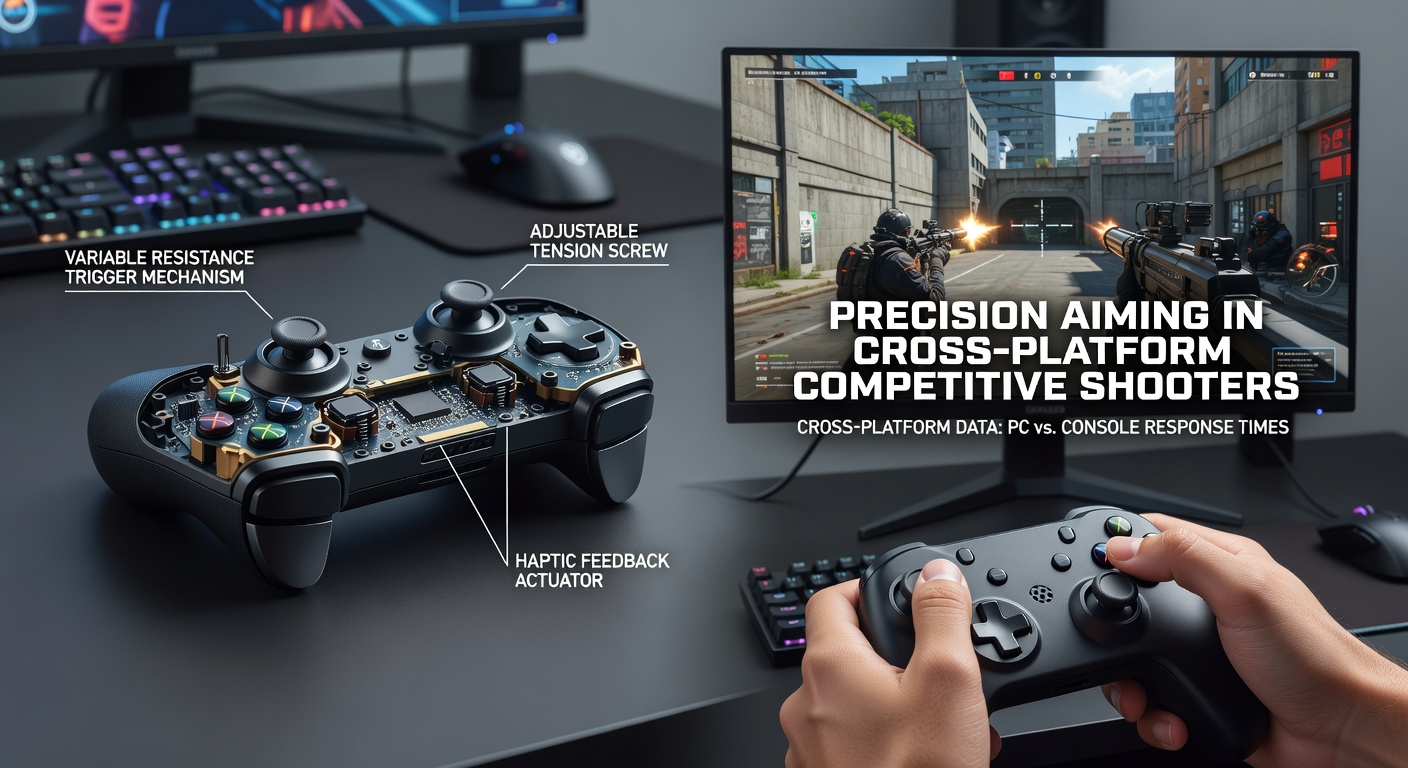
Variable resistance triggers have become a standard feature in several controller lines since their introduction in high-profile hardware releases and they alter the physical feedback players receive when pulling the trigger button. These systems use motors or magnets to create dynamic tension that changes based on in-game context such as weapon type or firing mode and this setup delivers tactile cues that can help stabilize finger movement during aiming sequences. Observers note that the technology appears in devices compatible with multiple platforms including consoles and PCs which broadens its reach in competitive environments where shooters run across different ecosystems.
Mechanics Behind Variable Resistance Systems
Modern gamepads integrate sensors and actuators that adjust trigger pull weight in real time and manufacturers program these adjustments to match specific game events like scoping or rapid fire. Data from hardware testing indicates that resistance levels can range from near-zero for quick taps up to full lockout for charged shots and this range creates distinct physical stops that players use to time their inputs more consistently. Researchers at various institutions have measured trigger response times under controlled conditions and findings show that adaptive feedback reduces unintended trigger travel in scenarios that demand pixel-level cursor control. Those who have examined cross-platform titles report that the same controller behaves differently depending on whether it connects to a console or a PC because input polling rates and deadzone calibrations interact with the resistance curves.
Effects on Precision Aiming in Competitive Play
Precision aiming in shooters relies on fine motor control and variable resistance triggers supply additional sensory information that complements visual feedback from the screen. Studies conducted in 2025 revealed that participants using adaptive triggers maintained tighter groupings on moving targets compared with fixed-resistance setups and the difference became measurable after several hours of continuous play. In titles that support cross-play the hardware must accommodate both controller and mouse users yet the physical trigger feel remains a controller-specific advantage that some teams incorporate into their training routines. Figures from esports analytics platforms show that players who switched to variable resistance hardware recorded slight improvements in headshot percentages during ranked matches and these gains held across different game engines.
Platform Compatibility and Implementation Variations
Cross-platform shooters must account for input differences and gamepads with variable resistance appear on both console and PC versions of the same title. Developers calibrate trigger profiles through software updates and these profiles can be tuned per platform to match native controller support or third-party adapters. In May 2026 several major tournaments featured standardized controller rules that included verification of adaptive trigger functionality to ensure fair competition and organizers documented the settings used in official match logs. One tournament circuit required all controller players to submit their resistance profiles before qualification rounds and compliance checks confirmed that hardware behaved consistently across the supported systems.
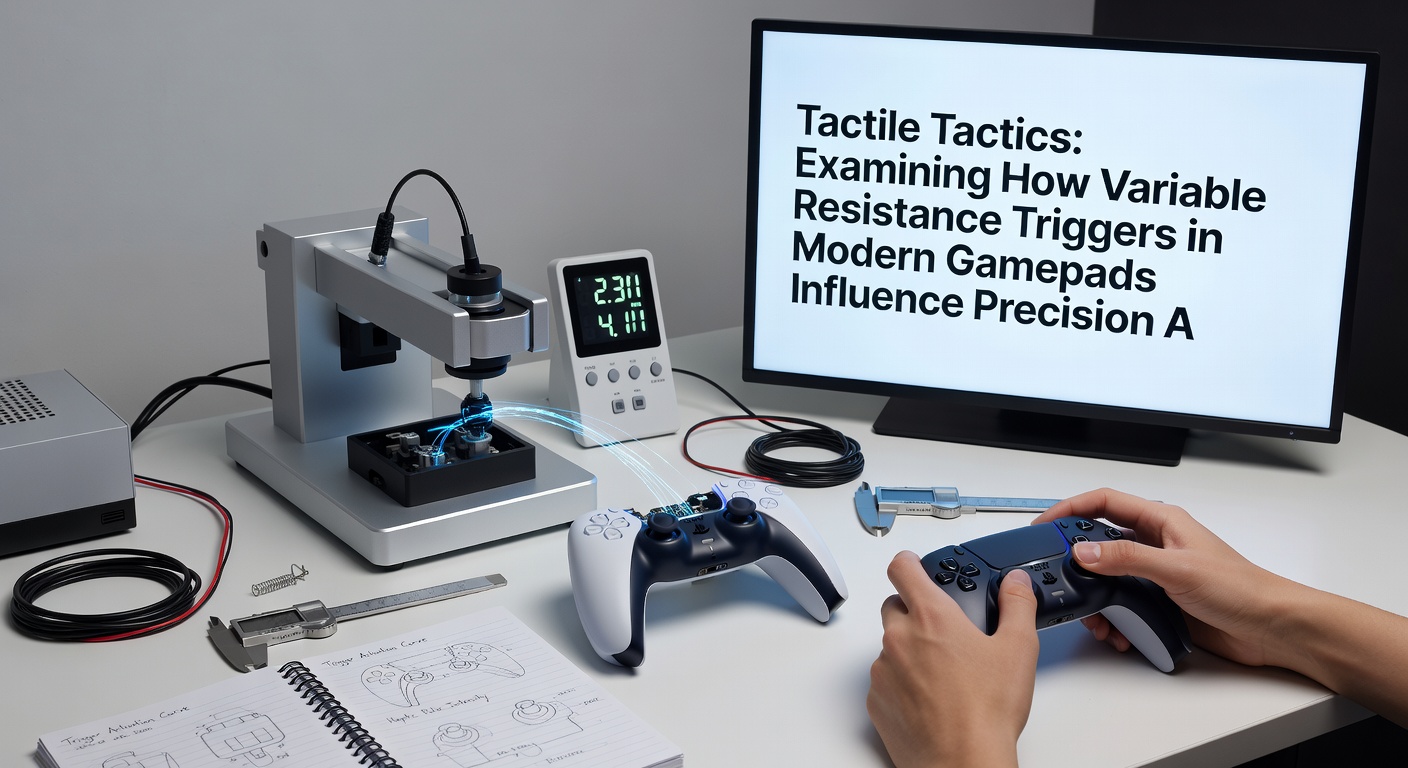
Hardware compatibility lists published by major studios list supported resistance modes for each controller model and these lists update whenever new firmware becomes available. Players who compete on multiple platforms often recalibrate their muscle memory when moving between devices because the resistance curve feels different even when the underlying game logic stays the same.
Research Findings and Performance Data
Academic groups have begun publishing results from controlled experiments that isolate trigger resistance as the sole variable and one paper from an Australian university examined reaction times in simulated aiming tasks. The study found that participants using variable resistance completed target acquisition sequences with fewer corrective movements after the initial pull and the effect appeared most pronounced in longer sessions where fatigue typically increases. Industry reports from hardware certification bodies in the European Union track controller performance metrics across certified models and aggregate data shows steady adoption rates among professional players who favor the added feedback layer. Observers tracking professional leagues note that teams allocate practice time specifically for trigger familiarization and this dedicated work translates into measurable consistency during high-stakes matches.
Another set of findings released by a Canadian research consortium compared aiming accuracy between standard triggers and adaptive ones across several popular cross-platform shooters and the dataset included thousands of individual aiming samples collected over multiple weeks. Results indicated that adaptive systems produced lower variance in aim stability metrics while players maintained similar overall movement speeds. Those metrics matter because competitive formats reward both speed and accuracy and small reductions in variance can accumulate across an entire match or tournament bracket.
Integration With Existing Training Methods
Coaching staff in professional organizations have started incorporating trigger-specific drills that emphasize controlled pull pressure and these drills complement traditional aim trainers that focus on mouse or stick movement. Players describe the sensation as an extra checkpoint that signals when a shot has registered and this checkpoint helps prevent over-pulling that disrupts aim. Data collected during scrimmages shows that teams using the technology report fewer instances of accidental weapon discharge during tense positioning phases and the reduction contributes to overall team coordination.
Conclusion
Variable resistance triggers continue to evolve through firmware updates and hardware revisions and their influence on precision aiming extends across the growing number of cross-platform competitive shooters. Performance data collected by researchers and tournament organizers provides evidence that the technology affects input consistency while players adapt their techniques to the new tactile layer. As more titles adopt the feature and more platforms support the same controllers the relationship between trigger resistance and aiming precision remains a measurable factor in competitive outcomes.